After facing backlash from the public, the IRS has decided to stop using facial recognition verification for tax returns.
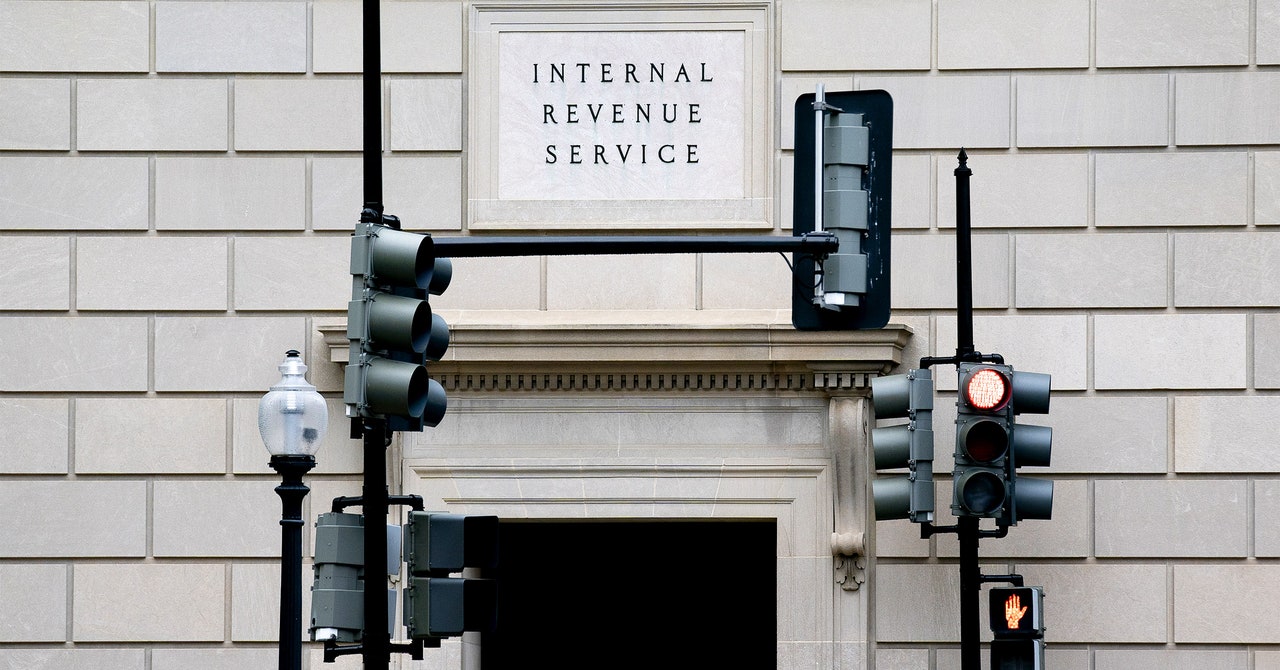
The Internal Revenue Service is discontinuing a facial recognition system that required people to upload video selfies when creating new IRS online accounts.
The IRS announced on Monday that it will transition away from using a third-party service for facial recognition to help authenticate people creating new online accounts. The transition will occur over the coming weeks in order to prevent larger disruptions to taxpayers during filing season. During the transition, the IRS will quickly develop and bring online an additional authentication process that does not involve facial recognition.
The IRS has been using the third-party system ID.me for facial recognition of taxpayers. Privacy and civil rights advocates and lawmakers from both major parties have objected to the system. The IRS wasn't demanding ID.me verification for filing tax returns but was requiring it for accessing related services, such as account information, applying for payment plans online, requesting transcripts, and the Child Tax Credit Update Portal.
We're experiencing playback issues.
ID.me is using Amazon's Rekognition technology to verify the identities of its users. As of January 25, the system had verified the identities of 20.9 million users using selfies. The Treasury Department last year signed a two-year, $86 million contract with a vendor to deploy and maintain ID.me software.
US Sen. Ron Wyden (D-Ore.), chair of the Senate Finance Committee, was among those who called on the IRS to scrap the system. "The Treasury Department has made the smart decision to direct the IRS to transition away from using the ID.me verification service, as I requested earlier today," Wyden said after Monday's announcement. "I understand the transition process may take time, but I appreciate that the administration recognizes that privacy and security are not mutually exclusive and no one should be forced to submit to facial recognition to access critical government services."
The IRS process involves uploading a photo of an ID (such as a license or passport) along with a video selfie, which are compared against each other to verify the user's identity. ID.me explains that, if the process fails, "you will be routed to verify your identity over a video call with an ID.me representative. You will need to show your identity documents to an ID.me representative along with a selfie (a photo of yourself) to complete your identity verification."
ID.me verification is already required for people creating new IRS accounts. There was a phase-in approach for people who had previously created IRS online accounts—the IRS said in November that those people can use their credentials until summer 2022.
A group of 15 Republican senators last week wrote a letter to IRS Commissioner Chuck Rettig, saying the "IRS has decided to allow an outside contractor to stand as the gatekeeper between citizens and necessary government services." The senators objected to "intrusive verification measures" and the fact that "ID.me is not subject to the same oversight rules as a government agency."
Four Democratic House members sent a letter on Monday urging the IRS to abandon the facial recognition technology. "Americans will be forced to put sensitive data into a biometric database, which is a prime target for cyberattacks," they wrote.
The Democrats illustrated the risk by pointing to a 2019 cyberattack on a US Customs and Border Protection (CBP) subcontractor that exposed the face images and license plates of thousands of US travelers. The subcontractor cyberattack and ensuing fallout were significant, but the cybersecurity risk with the IRS's plan is far greater: millions of Americans use the IRS website annually for a variety of vital functions, and, as a result, each of them will be forced to trust a private contractor with some of their most sensitive data.
Democratic lawmakers also expressed concern about facial recognition systems and called out a "lack of transparency" in what technology is used by ID.me. They said that the technology may have racial bias and urged the company to be more transparent about what technology it uses.
We are also concerned about the lack of transparency in both the IRS's contract with ID.me and ID.me itself. The company had repeatedly stated, including in a press release just weeks ago, that ID.me does not use one-to-many face recognition, which compares a facial image to a mass database of other facial images and is more privacy invasive and prone to error. Yet, in the same month, ID.me's CEO then publicly stated that his company does, in fact, use one-to-many face recognition technology. Furthermore, the IRS's Privacy Impact Assessment neglects to mention ID.me is even using this technology on Americans. Given these issues, it is simply wrong to compel millions of Americans to place trust in this new protocol. We are also concerned about the lack of transparency in both the IRS's contract with ID.me and ID.me itself. The company had repeatedly stated, including in a press release just weeks ago, that ID.me does not use one-to-many face recognition, which compares a facial image to a mass database of other facial images and is more privacy invasive and prone to error. Yet, in the same month, ID.me's CEO then publicly stated that his company does, in fact, use one-to
"The IRS takes taxpayer privacy and security seriously," said Rettig yesterday. "We understand the concerns that have been raised, and we are quickly pursuing short-term options that do not involve facial recognition."
The IRS announced a change on Monday that "does not interfere with the taxpayer's ability to file their return or pay taxes owed." During this period, the IRS will continue to accept tax filings, and it has no other impact on the current tax season. People should continue to file their taxes as they normally would.
The IRS continued to develop ID.me, while the US General Services Administration told The Washington Post that it is committed to not deploying facial recognition or any other emerging technology for use with government benefits and services until rigorous review has given us confidence that we can do so equitably and without causing harm to vulnerable populations.
Our newsletters are the latest in technology, science, and more. Get them to stay up-to-date on the latest news.
of dollars from the company. They were "calling to help." Then they stole thousands of dollars from the company.
across the Atlantic every day Every day, thousands of flights fly across the Atlantic without any passengers.
. He took down North Korea's internet because it hacked him.
👁️ Our new database offers a unique way to explore AI.
for working out. Looking for the best tools to get healthy? Check out our Gear team's picks for the best fitness trackers, running gear (including shoes and socks), and best headphones for working out.
Comments
Post a Comment